Some call Nov 1 the Witches’ New Year. For me, Samhain is more than just a day, it’s a period of contemplation (but more on that later) so today is the start of that period. I had wanted to write about that but… given the Hallowe’en content over the last few weeks, I figured this was more appropriate.
One of the things I have noticed is that witchery seems very “in” at the moment.
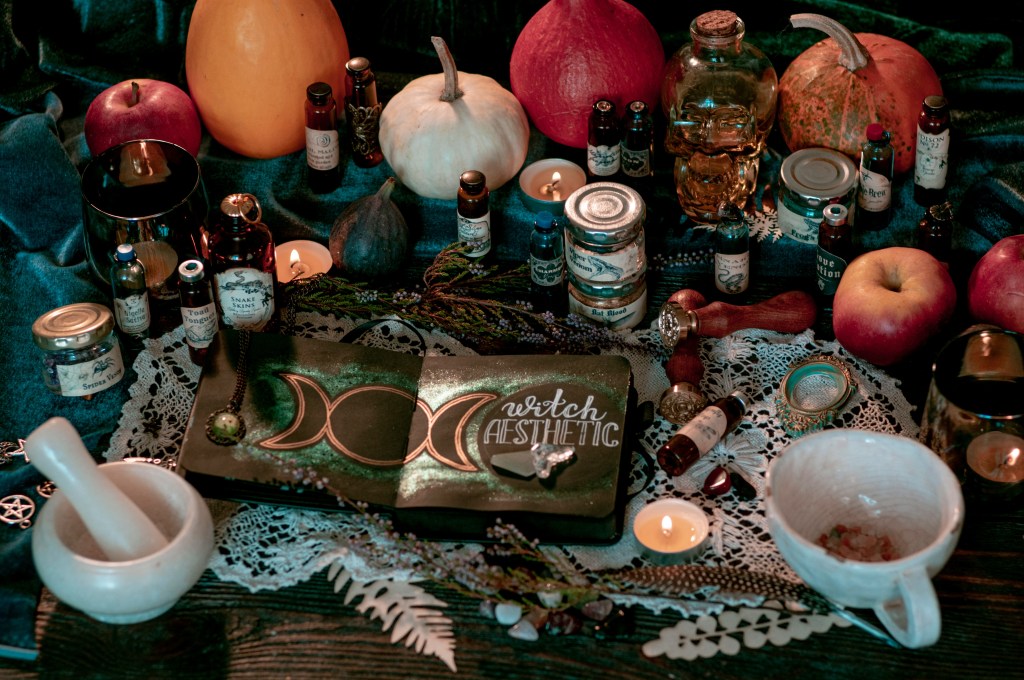
I don’t think it’s just my algorithm, it’s a thing. I see it everywhere, and hear it as well, from people I never would have expected to call themselves witches or embrace “witchiness”. And among that there’s a considerable amount of “bog witch” happening which blows my mind.
Just a quick reminder: my whole doctorate, including the dissertation and primary research, focussed on personal expressions of spirituality with a focus on women’s experiences. When I tell people about that, they often jump immediately to the positives of that but there are some massive negatives to it as well. I teach this stuff and I write academically on this stuff.
Now don’t get me wrong, anything that helps women reclaim a sense of self, especially in these days of the increasing Gileadification of the USA and other places, I am here for it. But if your idea of “witchiness” leaves others, especially vulnerable others behind, I’d say you’re missing the whole deal.

Again, perhaps it’s just my algorithm but much of what I am seeing is largely promoting a cute, ‘cottagecore’ aesthetic that largely sits within social norms regarding beauty (of the self and home), just with a bit more black and a pointy hat. That’s a safe way to play at “witch” (see also: pagan) and that’s fine, I suppose, but know you are doing that and know that that doesn’t represent the history of witches. It’s LARPing more than anything.
Why does it matter? There’s a real danger in witches being primarily represented in a glamourized and beautified way. Not only does it completely misrepresent and misunderstand the very important history, it also means that they’re being sanitized in the present.
That’s what I want to touch on today.
Anything that can be sanitized can be weaponized.
When the representation of “witch” is primarily beautified and alternatively made into a caricature, it erases the reality of who was accused and who lived through the accusation. It erases the reality that even today, people are harmed and killed because they are accused of being witches. It erases how easily it is to cause harm to the “other”.
One qualifier – my work mostly looks at/looked at Britain and Ireland with dabbling into the Nordic/Scandinavian and broader European sphere. Because we’re talking about women and witchery here today, I am not diving into the very different circumstances of places like Iceland and largely focussing on Britain and Ireland.

So, who was accused as a witch? Just about anyone. The most chilling thing, if you read about the witch hunts, was that it was truly anyone. And there was not a lot of rhyme or reason to it. What does this have to do with sanitizing the image now? Because the people who were killed were often those who were unprotected, who were outcasts; older women, those who looked different in some way, the poor – especially if they’d gained a bit of fortune. The marginalized were the biggest ultimate victims. And they weren’t “witches”, they were just people trying to survive.
And a quick aside – you’ll see lots of social media about midwives, healers, herbalists etc as the biggest victims. Not only is that not true (they were closer to the elite classes and often part of the hunts/trials against the accused); it’s also incredibly dangerous because it’s been used to reclaim something being touted as feminine power adjacent to an anti-science/anti-medical orientation, especially in countries like the USA. Super not cool.
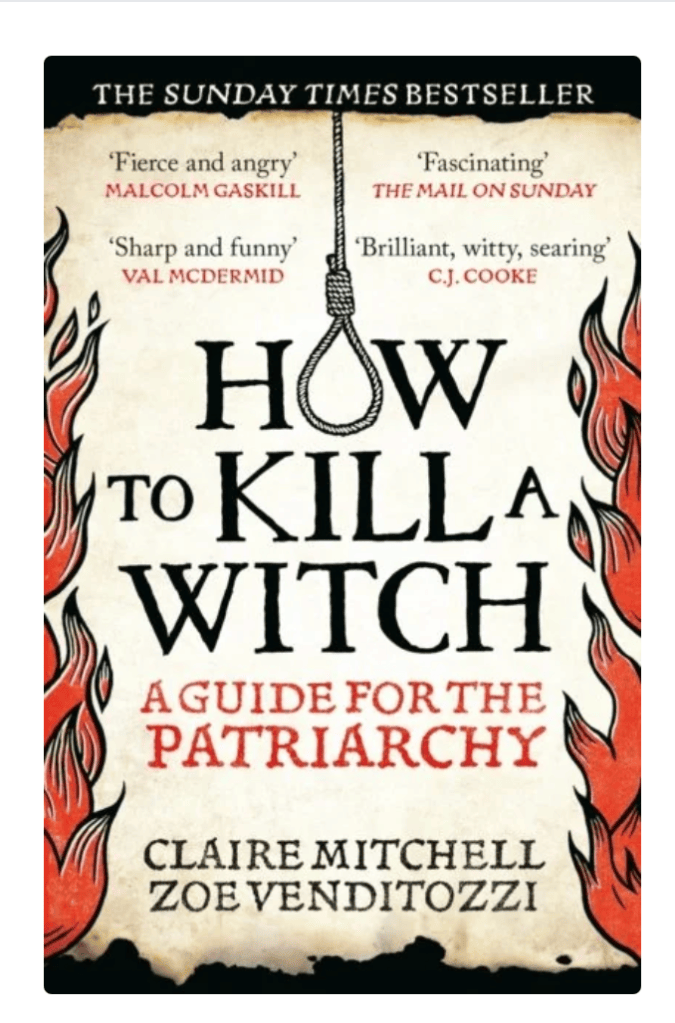
Does that mean if you’re conventionally attractive or whatever you *shouldn’t* call yourself a witch? Of course not. But if you’re claiming some allegiance with long ago witches and your witchery leaves behind the marginalized, is silent (or worse) on issues of genocide and colonization, feels that migrants rather than billionaires are to blame for the ills of the world, I would strongly urge you to ask yourself what it is you’re looking for from a witchy identity. Maybe check out Hannah Fraser Moore’s thoughts on the matter or read “How to Kill a Witch”, or review the Witches of Scotland’s content.
I hope that this has been useful to you. As always, send me your questions, thoughts, and queries.
Colleen


Leave a Reply