Good morning all,
I thought it time to dive into one of my favourite topics: unconventional spiritualities. I suspect this will be a series of posts, I cannot imagine how I could keep it to one that was readable. So, I’ll start with how I moved into theological studies (from social work – not an average move) and then into the research. The research we discuss includes mine as well as the foundational work, and why it’s important. My hope is that it will be educational about the topic of course. I also hope, at least tangentially, to help explain how we end up in these fields of studies and why everything we study doesn’t have to be STEM/vocational to be useful. I hope to encourage grad students (well all students but especially grad students) to follow their interests, even when they’re really weird. I graduated and even having spent untold hours on my coursework and dissertation (literally 6 years so, feel free to do the math), I’m working towards a post doc and further publications because I love the topic so much AND I see the importance of it. That’s my wish for every scholar: that they find the topic that speaks to them, that they want to keep going with, and that doesn’t fill them with loathing.
To start: what is an unconventional spirituality? And why that term instead of the many others that are out there? I should probably start with spirituality. I define spirituality as that which connects us to something greater than ourselves. For some that’s the environment, for others that’s community, for others it’s the Divine, etc. You get the gist? Unconventional spiritualities then are engagements that fulfil a spiritual need but through (you guessed it) unconventional means. By conventional, I mean something along the lines of formal or dogmatic. So on the margins would be things like forest bathing which definitely have overtly spiritual connotations, singing with your church choir might also be there – you might be going for the singing, not the faith but you have that spiritual sense anyway. You might have a spiritual experience in your work, in parenting, in making dinner, sewing an outfit, going to a football/soccer game, or those sorts of things. And sometimes we kind of know we’re doing spiritual-ish things but also, it’s really seen that way in the larger perspective. That would fit too.
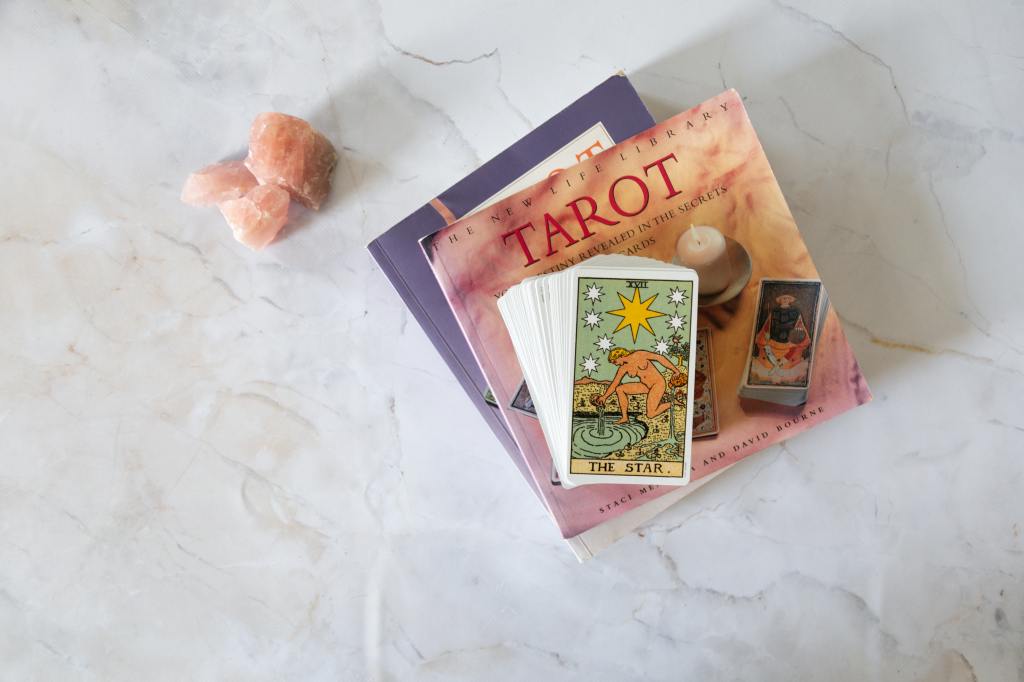
The other thing is that it includes people who love astrology or tarot, who identify as “spiritual but not religious” or who say things like “I’m an atheist but sometimes I see/feel/hear something and I think…” .
Does that start to give you some ideas about this concept? Send me a note if you have questions, comments, or other points of discussion you’d like to see.
Colleen
 the Witchery Society