Good morning Gentle Reader,
I hope you’re well wherever you are. I wanted to take some time to explain some of the terms we routinely use in folklore (also in adjacent fields such as anthropology and archeology). One of my faves is material culture, especially textiles but also more ephemeral aspects such as food (and adjacent things such as cookbooks and table linens). Food, of course, overlaps with culture studies too but when we think of material culture as a physical expression or representation of a culture, I mean seriously, food is absolutely in there. And, material culture (confusingly to new students) includes other ephemeral representations, like performance. What is a meal if not the physical manifestation of a culture accompanied by performance? Not sure you agree? I want you to think about about a regular holiday from your faith, cultural, or other aspects of your background, whether or not you celebrate it now. You can probably recite not just your favourite aspects of the meal but what will be made, who will attend, and the quips so and so says every year that are totally an eye roll but when they’re gone, the echo of them will be so loud. A great example of this is represented in the British show Friday Night Dinners. If you’re super nerdy, there’s a useful article (with some problematic elements) from 1966 on the topic.
Ok – back to what material culture means. We’ve already said it’s the tangible expression of culture (though we haven’t talked about what a culture is, have we? I’m adding that to the list). As we’ve seen, material culture can be something as concrete as a tapestry but something as ephemeral as a meal or even just performance, such as folk songs. Understanding the nuances is one of the hardest things about folklore but it’s also fun once you wrap your head around it. I actually love that it is so additive, personally though a student recently asked if if everything is folklore and my answer was sort of. I have a post that illustrates it here.
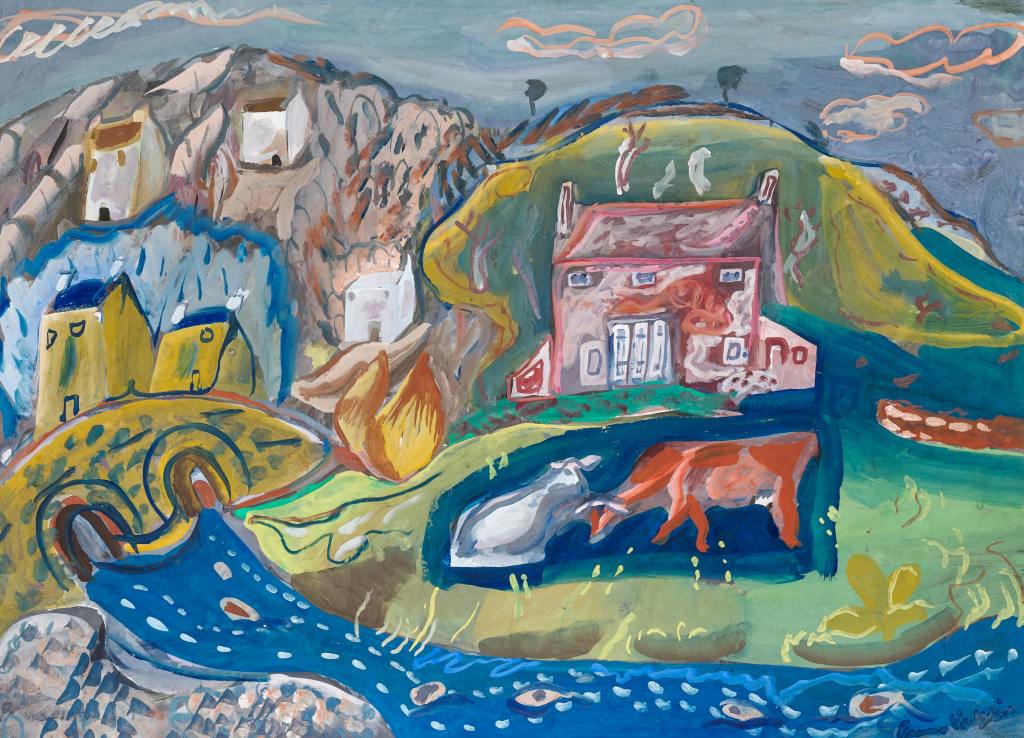
Of course folkloric studies of material culture are heavily influenced by adjacent disciplines but the lens is very much folkloric though there’s a lot of overlap with the adjacent fields. Folklorists are interested in vernacular and traditional materials, in how the items are part of cultural expression, their traditional uses, and meanings. It will be no surprise that the interest tends to focus on handmade objects, with the crafting of the objects as important as the objects themselves. Collections though, have become part of folklore as well.
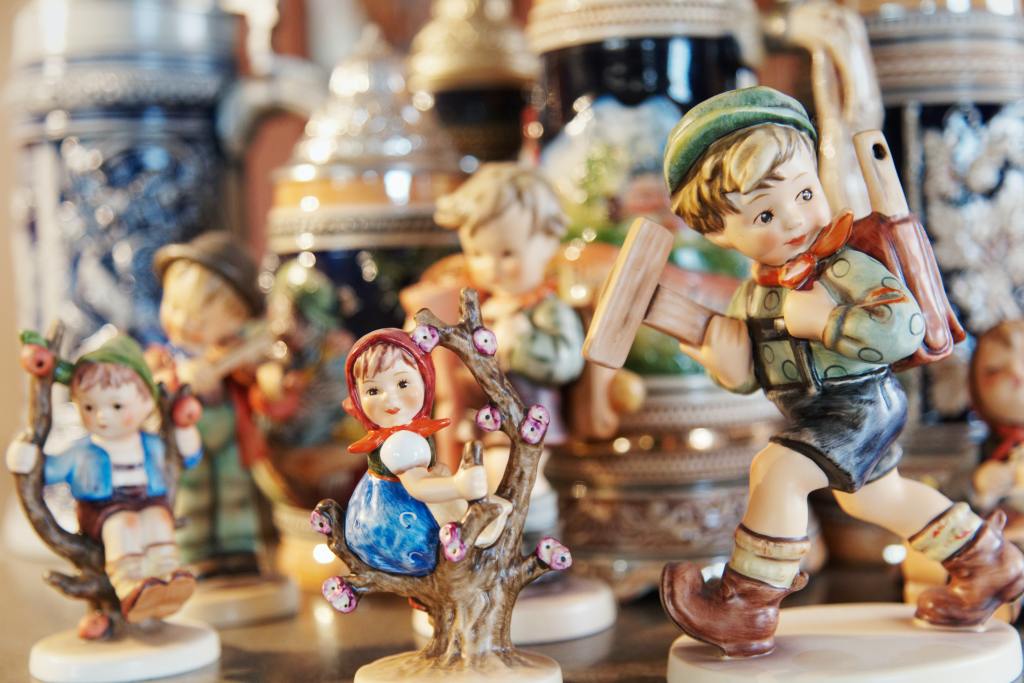
A mentor of mine, Leonard Primiano, was working on kitsch and collections at the time of his death. I will write more about him, his work was a huge influence on me and I was lucky enough to correspond with him about it. A quick sidebar – I’m a folklorist but have also been a palliative care social worker. I have learned the importance of telling people their work influenced you, you appreciate them, you admire them etc. I urge you to do this too. You will rarely regret it. Ok, back to your regularly scheduled folklore.
As you can see, like much of folklore, material culture is more grey area and fuzz than hardline and clear boundaries. And that’s one of my favourite things about it.
Be well all,
Dr. Colleen
 the Witchery Society